In a historic milestone for January 2026, Bali has officially secured the top position in the global Travelers' Choice Awards. Surpassing heavyweights like London and Paris, the island enters the new year with a heavy crown. But for those on the ground, the view from the top is often obscured by the smoke of a thousand idling scooters and a growing debate over sustainability.
The numbers for 2026 are looking aggressive. Following a record-breaking 2025 that saw over 7.1 million international arrivals, the provincial government is pivoting. We are seeing the introduction of the "Quality Over Quantity" filter, including a planned 2026 regulation that may require foreign visitors to demonstrate financial readiness before entry. The message is clear: Bali is open, but it is no longer a free-for-all.
Is Bali "Overrun"?
The "overrun" narrative depends entirely on your coordinates. If you are standing in the Canggu-Seminyak corridor at 5:00 PM, the answer is a resounding yes. However, 2026 is the year of "The Great Dispersal." Savvy travelers are fleeing the south for the "Old Bali" vibes of Amed in the East and Munduk in the North. While total numbers are at an all-time high, the density is shifting away from the saturated hubs.
So, who are the main visitors in 2026? Australians continue to lead the pack, but there is a massive surge from South Korea and India. We are also seeing the rise of the "Glowmad"—a subset of digital nomads who aren't just here for the Wi-Fi, but for high-end "Somatic Resets" and mountain retreats. They stay for months rather than days, seeking the cultural depth that sets Bali apart from its neighbors.
Safety & The "GRAS" Factor
Is Bali "Generally Recognized As Safe"? Yes. While historical security concerns occasionally resurface in global headlines, Bali remains statistically safer than many Western metropolitan centers. In 2026, the real safety concern isn't geopolitical—it’s road safety. With more scooters on the road than ever before, the primary risk to travelers remains the chaotic traffic and the "Opportunity Crimes" (like phone snatching) that thrive in congested tourist zones.
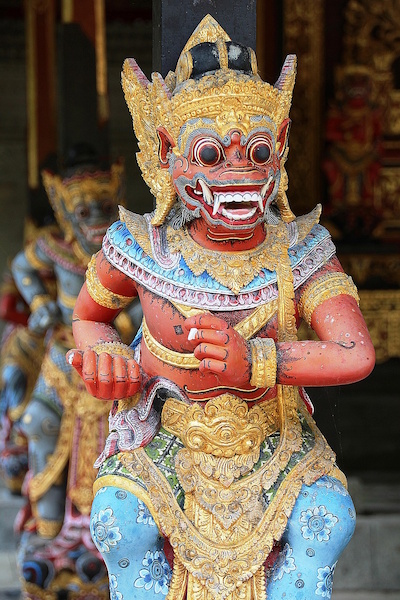
What truly sets Bali apart from the other 17,000 islands in Indonesia is the Cultural Moat. The spirit of 'Tri Hita Karana' is an invisible infrastructure that keeps the soul of the island intact, even under the weight of 7 million visitors.
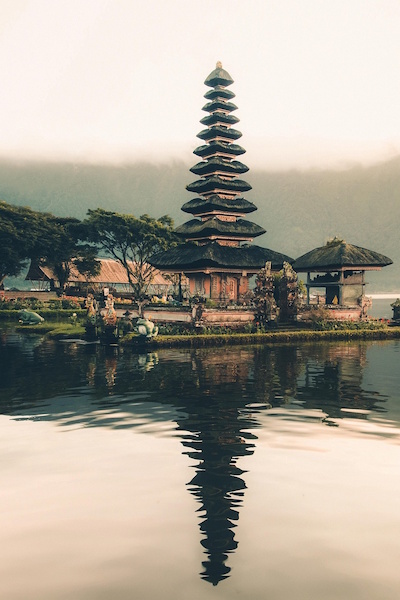
The Modern Pilgrimage
Ultimately, Bali is trendy in 2026 because it has mastered the art of the Modern Pilgrimage. Whether you are there for the world-class surfing in Uluwatu, the spiritual immersion of a Melukat water blessing, or the $1,000-a-night cliffside villa, the island offers a "vibration" that destinations like Lombok or Thailand struggle to replicate. It is a living museum that happens to have some of the best high-end hospitality in the southern hemisphere.
But there is a new layer to the 2026 experience: The Sustainability Shift. The local community has become increasingly vocal about waste management and land use. In response, we are seeing a boom in "Regenerative Travel"—resorts where your stay directly funds coral restoration or plastic-collection initiatives.
Digital Oasis in the Jungle
What keeps the 2026 visitor staying for months instead of weeks is the infrastructure. Unlike many other tropical hotspots, Bali’s fiber-optic backbone and widespread 5G coverage mean that a "Zoom with a View" is a literal reality, even in relatively remote jungle villas.
Bali’s crown remains secure, even as the world changes
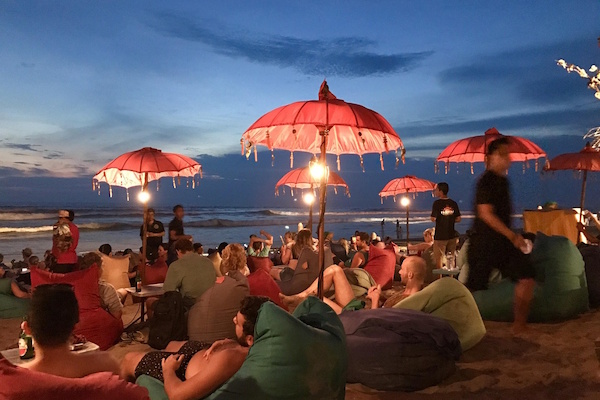
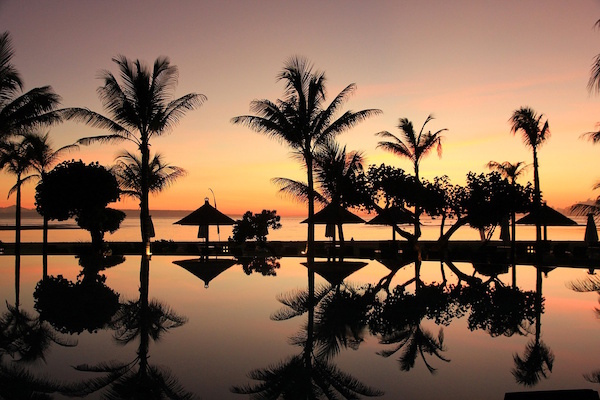
As the sun begins to set over the Indian Ocean, the island transforms. The frantic energy of the daytime traffic gives way to the scent of incense and the sound of Gamelan music drifting from village temples. It is this duality that ensures Bali remains the world's favorite escape in 2026.
If you want the "Old Bali" feeling, head to Sidemen. Hire a local driver for about $40 USD for the day—they know the shortcuts through the 2026 roadwork zones. Also, don't miss the Bia Hoi street corners—it's the cheapest social beer in the world, often just $0.25 cents a glass.