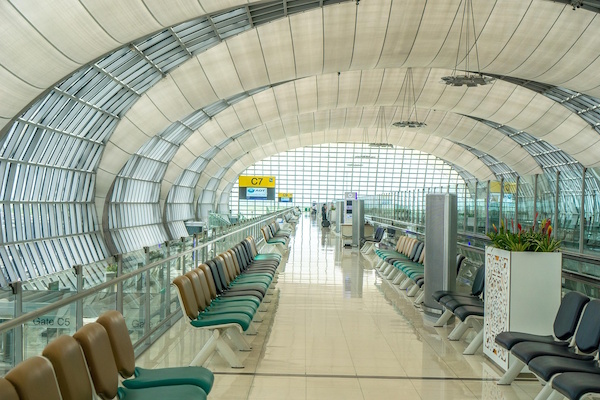
For decades, a powerful passport meant the freedom to book a flight and receive a stamp upon arrival. But in early 2026, that era of spontaneous global mobility is ending. The "Invisible Border" has arrived, moving the immigration checkpoint from the destination airport to the airline's check-in system.
Japan and Singapore are the latest heavyweights to signal that "visa-free" no longer means "barrier-free." By 2028, Japan will fully implement its JESTA system, applying to all 71 visa-exempt countries. Meanwhile, Singapore has already integrated No-Boarding Directives, which essentially allow the city-state to vet your digital footprint before you ever clear security at your home airport.
The UK’s ETA (Electronic Travel Authorisation) scheme, now fully enforced as of early 2026, completes this "Golden Triangle" of digital gatekeeping. It’s no longer just about security; it’s about data-harvesting. Governments are now tracking travel patterns with granular precision, using AI to predict overstay risks long before a traveler packs a bag.
The border no longer starts at immigration; it starts at your check-in counter.
Travel Audit: 2026 Global Requirements
- Japan (JESTA): FY2028 Launch. Required for all visa-exempt citizens.
- Singapore: Active. Mandatory e-arrival card submission within 72h of landing.
- UK (ETA): Fully operational for all non-visa visitors including EU and USA.
- The Tech: Real-time API (Advance Passenger Information) data-exchange.
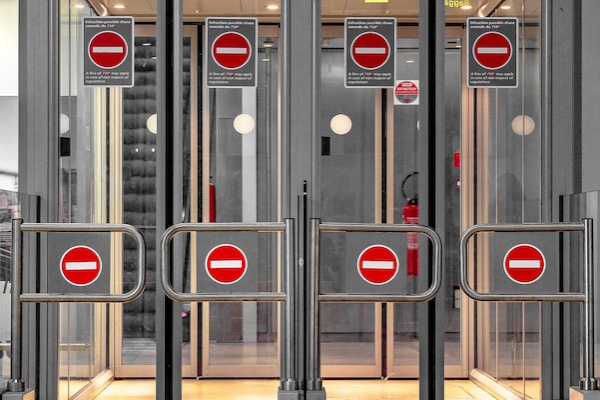
This shift is powered by the API (Advance Passenger Information) data-exchange. In the 2026 landscape, airlines act as the first line of border patrol. When you scan your passport at a self-service kiosk, your data is pinged against international databases in milliseconds. If the "Invisible Border" says no, your boarding pass simply won't generate.
This system eliminates the "landing gamble"—the risk of flying 12 hours only to be turned back at the desk. However, it replaces it with a cold, algorithmic gatekeeper. Critics argue this creates a two-tier travel world where a minor clerical error or a 30-day-old traffic fine can trigger an immediate, automated travel ban that is notoriously difficult to appeal via chatbot-driven support desks.
Watch: The 2026 Travel Audit
The HIT FM Travel team breaks down the JESTA activation and the shift toward pre-approval checkpoints.
Ultimately, this global pattern is effectively a digital wall. Whether it is Europe's ETIAS or Japan's JESTA, the trend is clear: governments want to know exactly who you are—and collect a processing fee—long before you land. Spontaneity is the first casualty of the 2026 travel season.
If you're a last-minute traveler, keep a digital folder of your ETA/JESTA approval numbers. Many 2026 systems allow you to "reuse" an approval for 2 years. Also, check your passport's digital chip status; "Invisible Borders" are much harder to cross if your biometric data is unreadable by the new kiosks.